The walks
Five walks, one in each borough, past places that mattered to LGBTQ+ New Yorkers, each with its year. Walking side by side is one of the simplest ways to get to know someone. If you lead one as a mentor, take it wherever your own years in the city went.
Map of the walks
New York City’s five boroughs, with seventeen places on five walks
Each walk is a button on the map, marked with its place numbers: Manhattan 1 to 3, the Bronx 4 to 6, Queens 7 to 10, Brooklyn 11 to 14, Staten Island 15 to 17. Choose one to zoom in on its places. The same places are listed in the panel after the map, and again further down by borough.
Places by borough
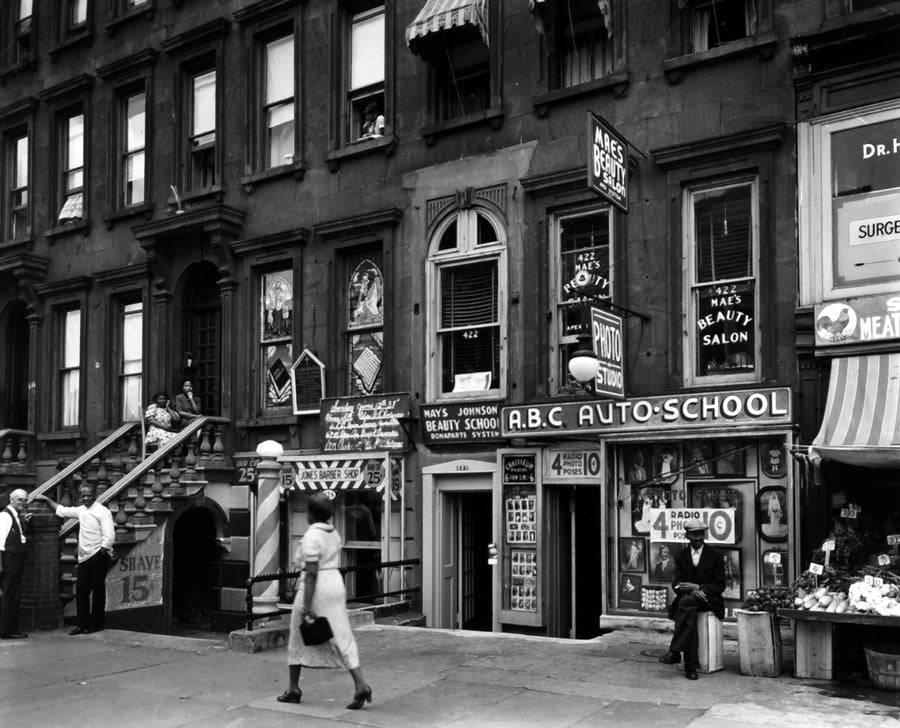
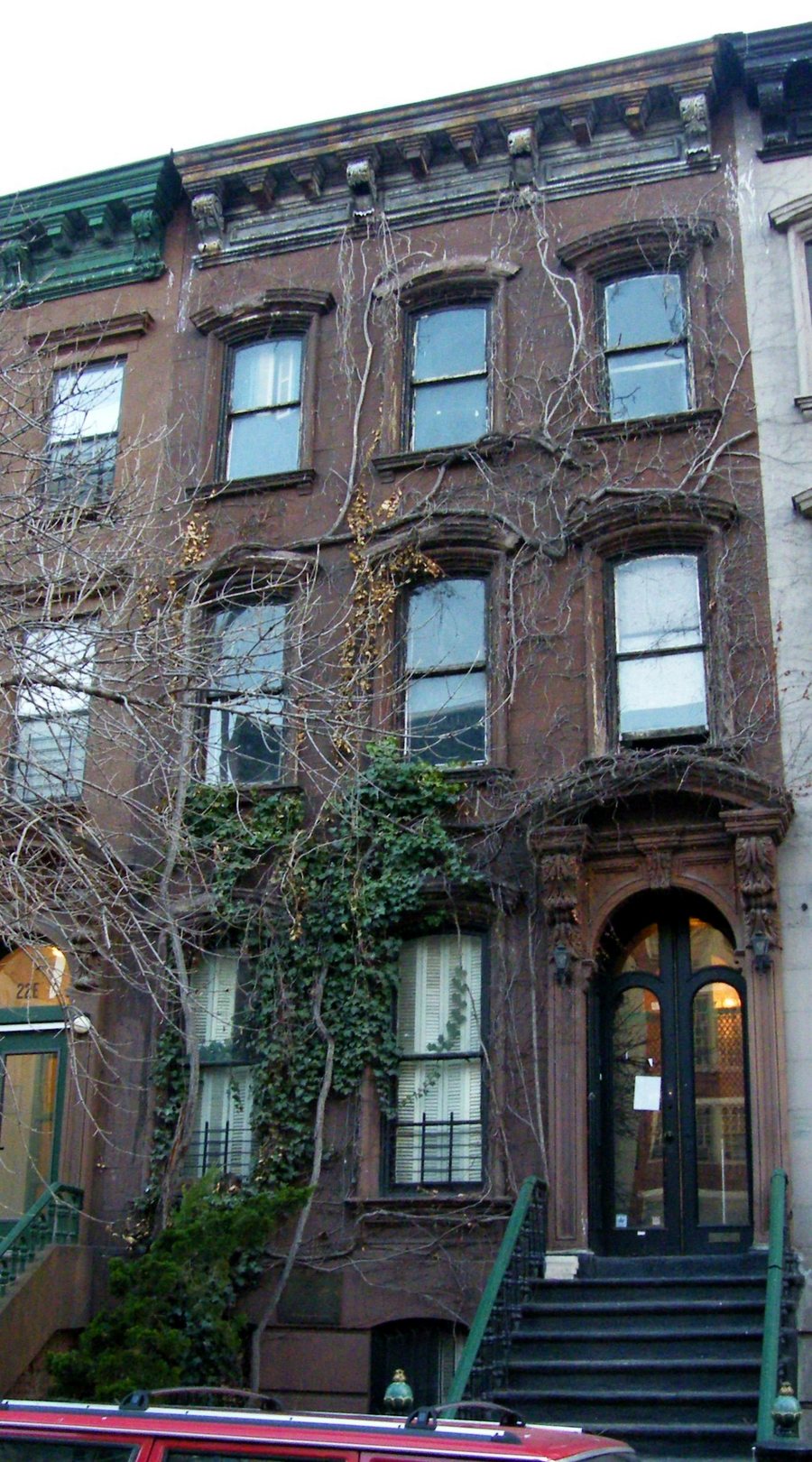
Harlem in 1938, and the house where Langston Hughes lived on the top floor.
Manhattan · Harlem
- 1947Langston Hughes Residence. Langston Hughes lived on the top floor from 1947 to 1967.
- 1930sApollo Theater. From the 1930s nearly every important Black entertainer played here, many LGBT stars among them. Stormé DeLarverie hosted the Jewel Box Revue here in the 1960s.
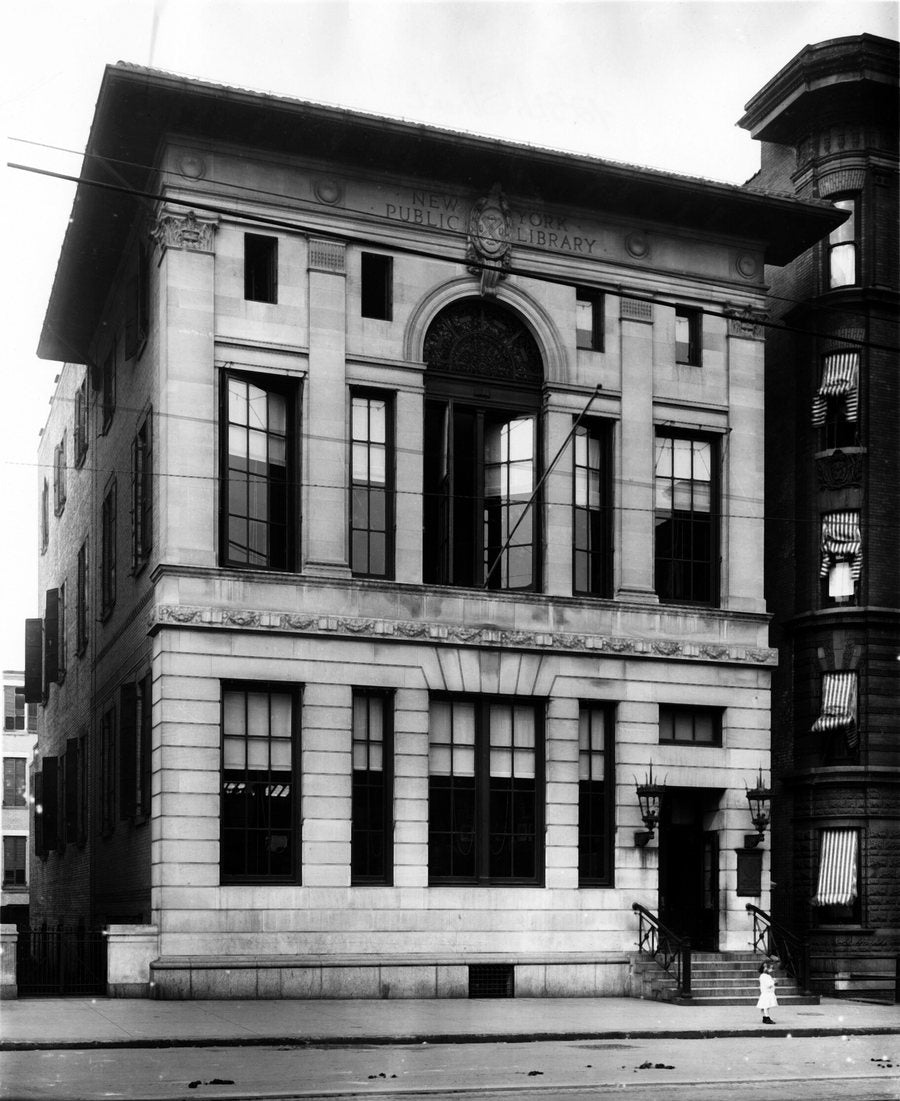
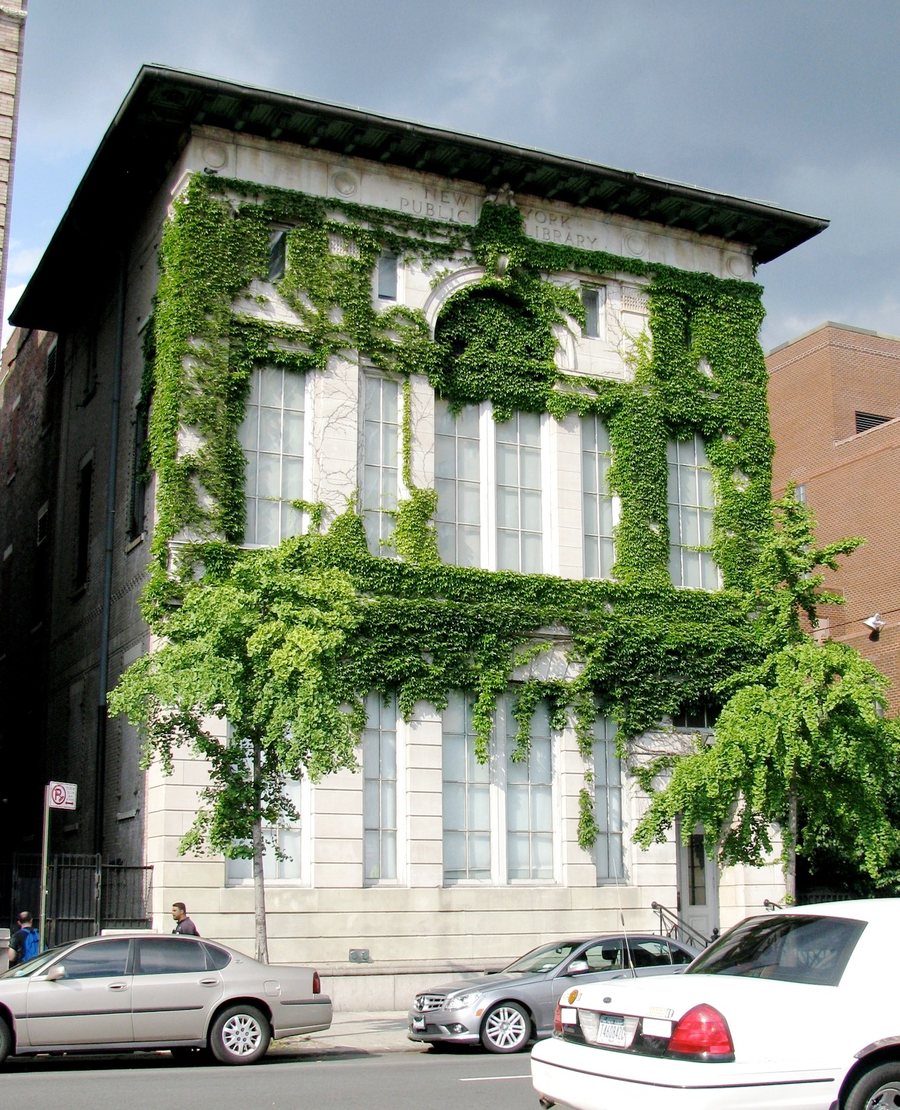
- 1920s135th Street Branch, New York Public Library. A center of the Harlem Renaissance for Langston Hughes, Countee Cullen and Claude McKay.
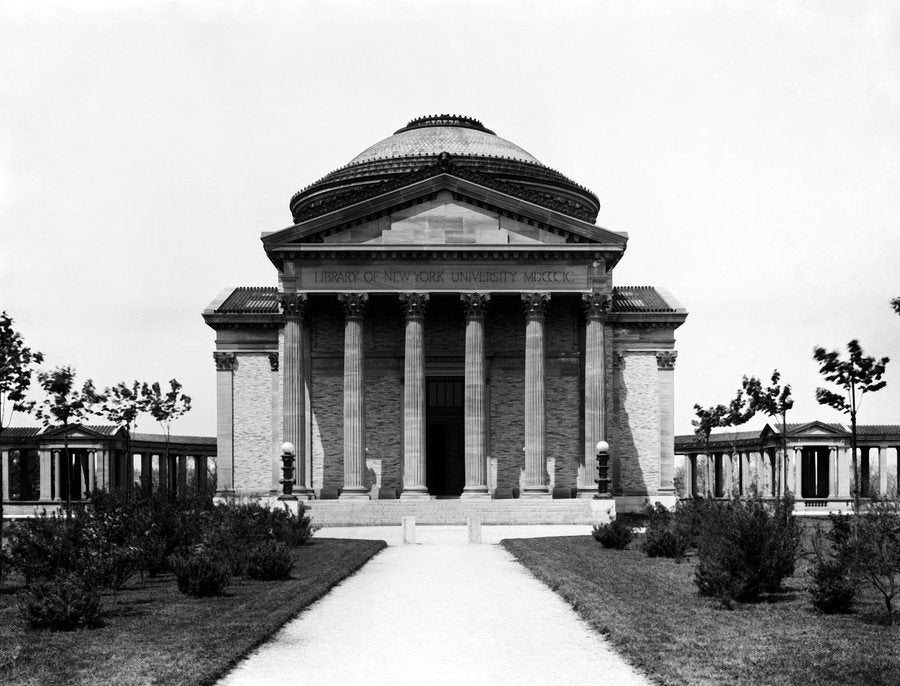
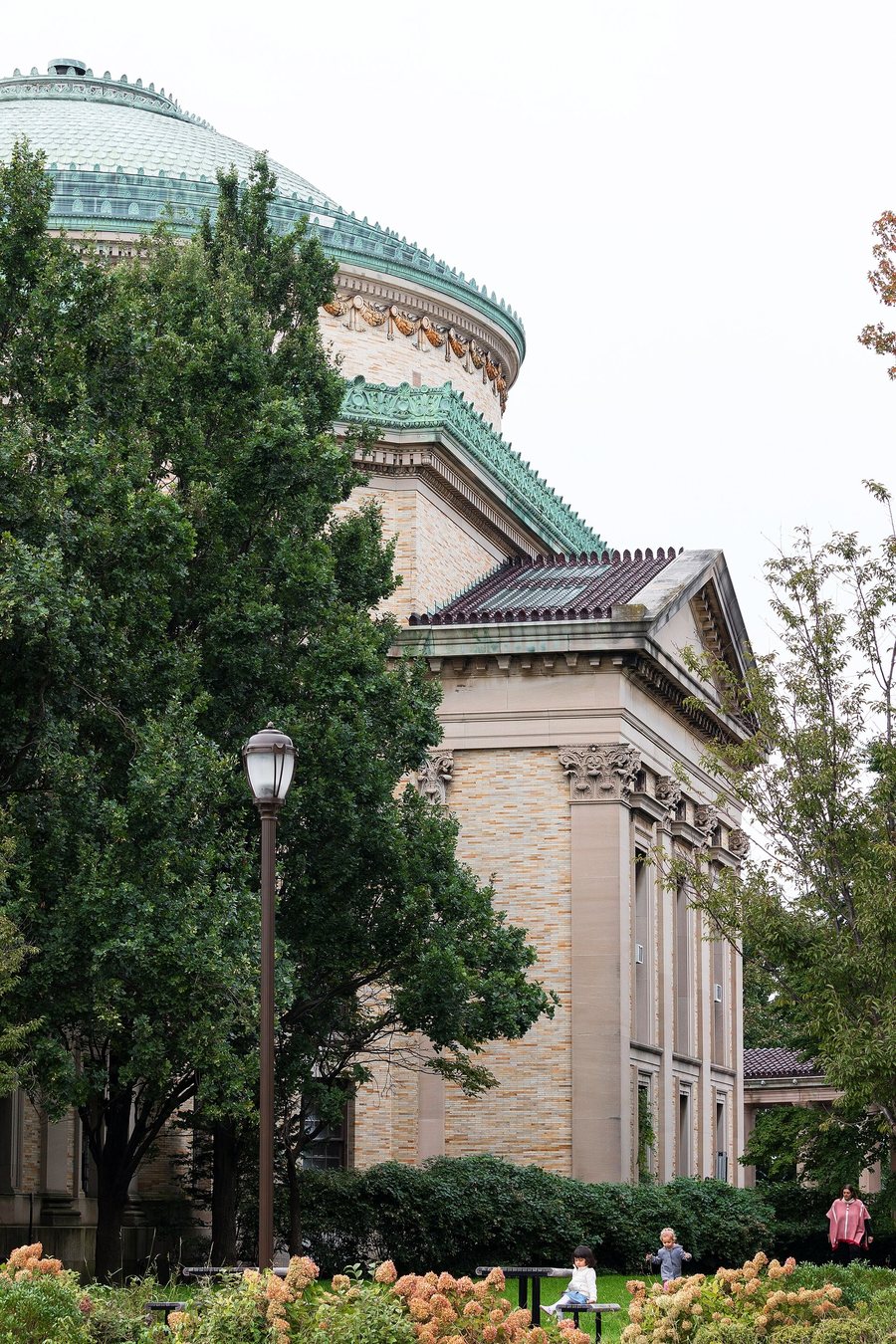
Gould Memorial Library, built for New York University and now part of Bronx Community College.
the Bronx · University Heights to Morrisania
- 1971Gould Memorial Library. The Gay Activists Alliance staged a zap, a surprise protest, at Senator Edmund Muskie here on 14 November 1971.
- 1998Bronx Pride March. The first Bronx Pride Parade and Multicultural Festival was held on 11 July 1998.
- 1943Mabel Hampton & Lillian Foster Residence. Mabel Hampton, a Harlem Renaissance performer who was later part of the Lesbian Herstory Archives, lived here with Lillian Foster from 1943.
Queens · Jackson Heights
- 1989Friend’s Tavern. The oldest gay bar still open in Queens, owned since 1989 by Eddie Valentin and Casimiro Villa.
- 1990Justice for Julio March. Julio Rivera was killed in the schoolyard here in 1990 for being gay. The vigil that ended at this corner started the protests that brought New York State’s first gay hate-crime trial.
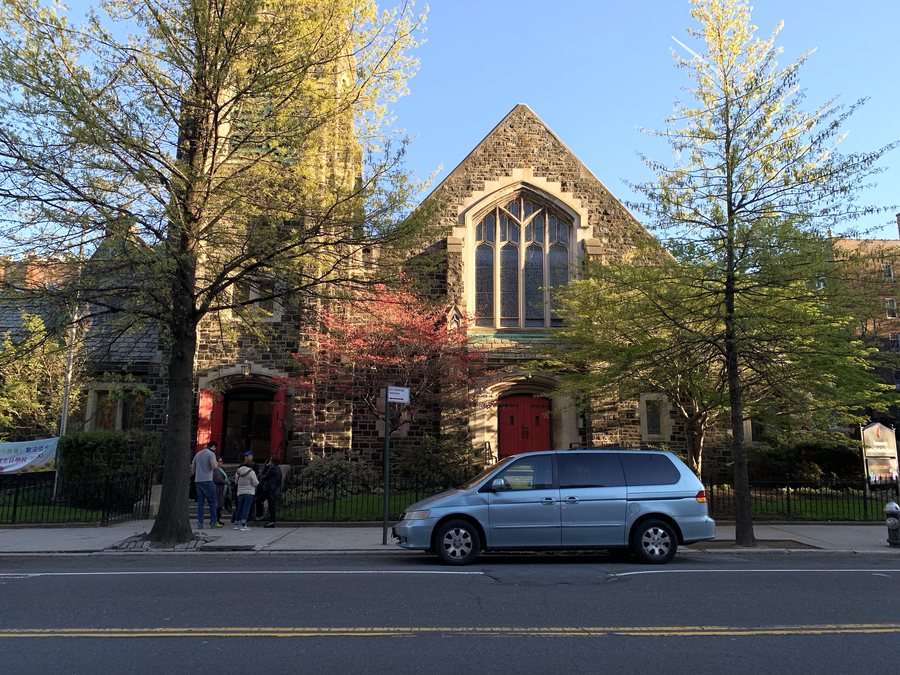
- 1970sCommunity United Methodist Church. A meeting place for LGBT groups from the mid-1970s.
- 1993Queens Pride Parade. The first Queens Pride Parade set off here in 1993.
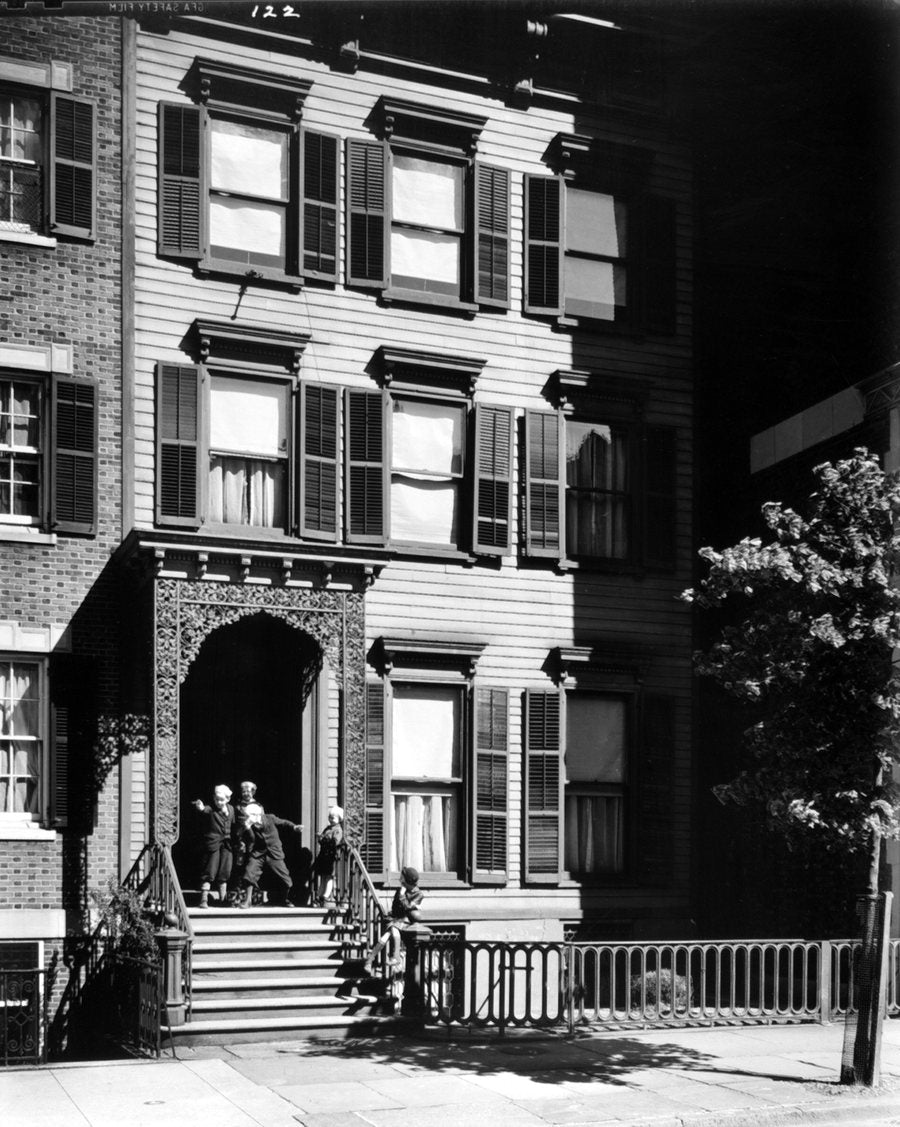
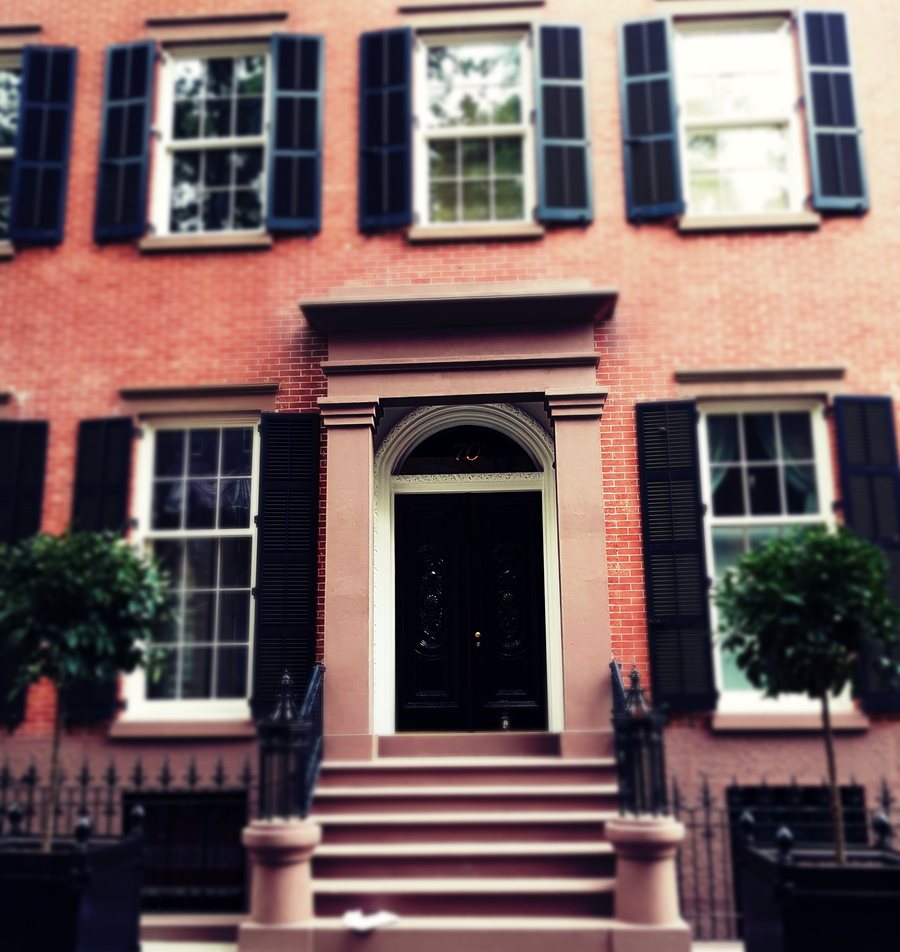
No. 113 Willow Street, Brooklyn Heights, in 1936, and no. 70, where Truman Capote rented the garden apartment.
Brooklyn · Brooklyn Heights
- 1920sHotel St. George. From the 1920s to the 1970s, one of the best-known centers of gay life in Brooklyn.
- 1955Oliver Smith & Truman Capote Residence. Truman Capote rented the garden apartment in Oliver Smith’s house from about 1955 to 1965.
- 1950sBrooklyn Heights Promenade. From the 1950s through the 1980s, one of the city’s best-known places for men to meet men.
- 1971Spencer Memorial Church. The Gay Alliance of Brooklyn organized here from 1971 to 1973.
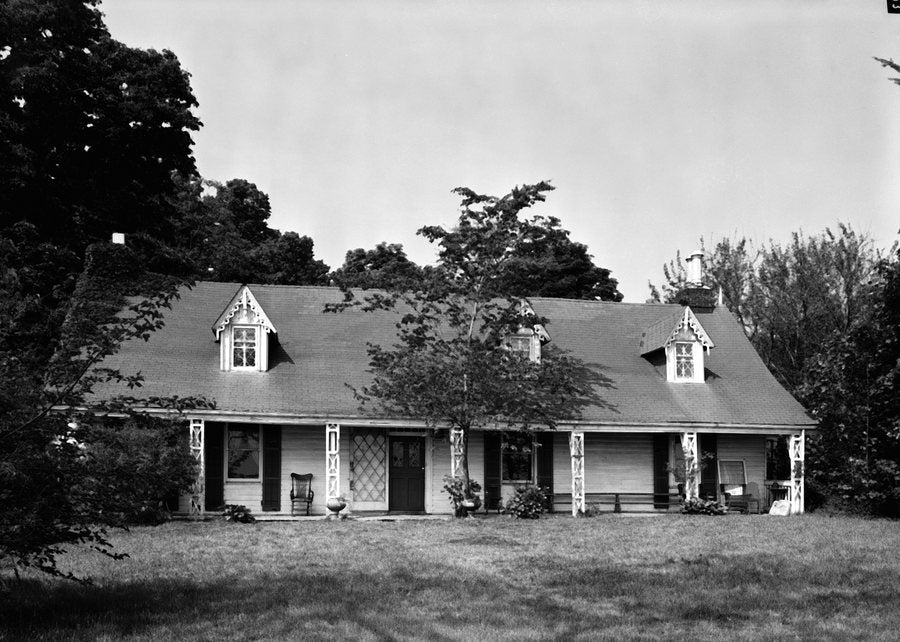
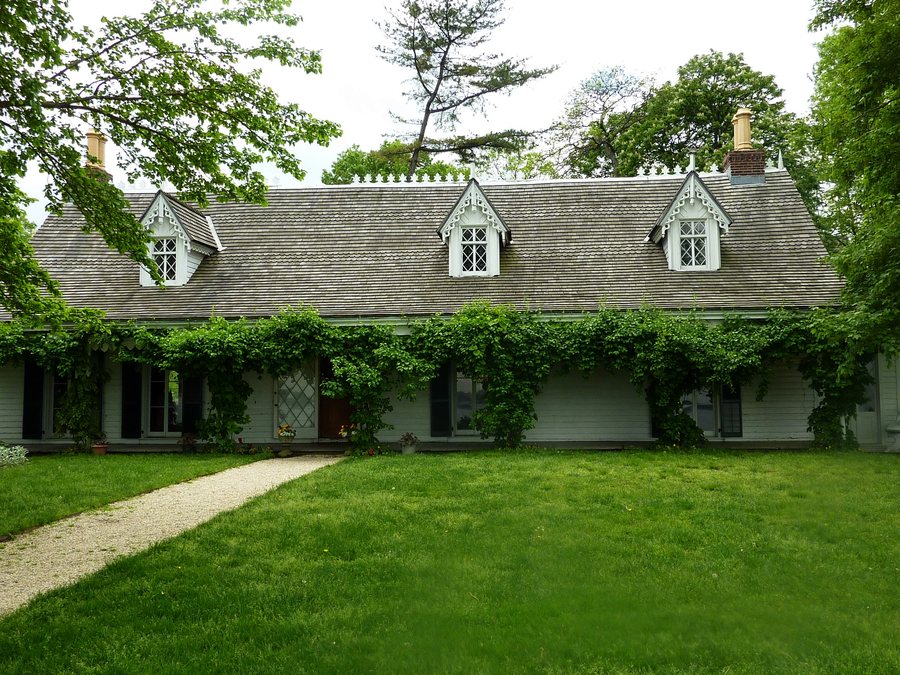
Clear Comfort in Rosebank, where Alice Austen photographed and lived with Gertrude Tate.
Staten Island · St. George to Rosebank
- 1988Staten Island AIDS Task Force. The Task Force opened its first office here in 1988.
- 1972Audre Lorde & Frances Clayton Residence. Audre Lorde lived here with Frances Clayton and their two children from 1972 to 1987.
- 1897Alice Austen & Gertrude Tate Residence. Alice Austen lived here with Gertrude Tate, her partner of 55 years, and photographed here, including a self-portrait in 1897.
Apply
We’re pairing people now, all over the city. The form takes about ten minutes, and a coordinator writes back within two weeks.

Need help right now?
- Call 911If you or someone with you is in danger.
- Call or text 988Anyone, any age, any hour.
- 1-866-488-7386The Trevor Project, for LGBTQ+ young people. Or text START to 678-678.
We’re a mentorship program, not a crisis service.